
Signet rings: their history, meaning and how to wear one
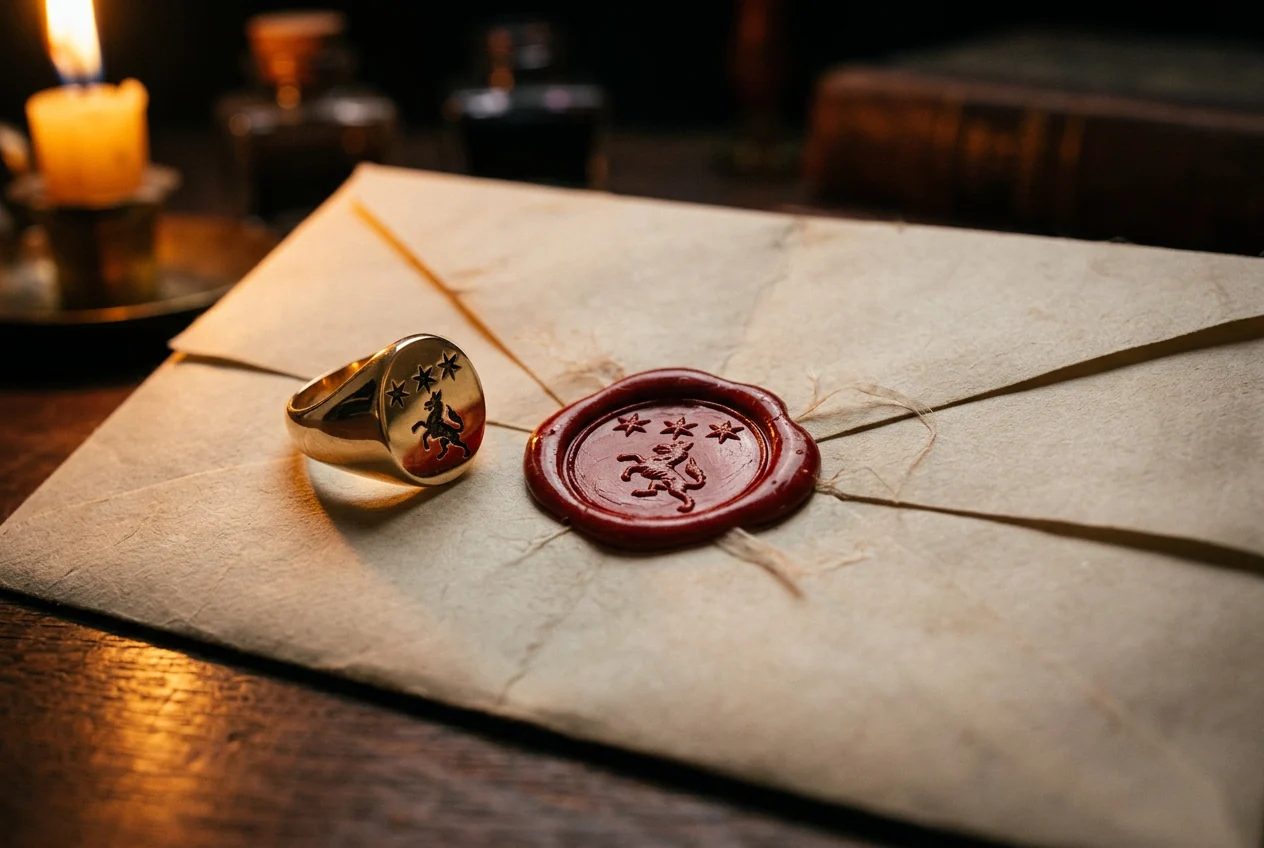
Some jewellery becomes part of a family's story. A signet ring can mark a milestone, a family name or simply who you are, and few pieces carry that kind of meaning so quietly.
The signet ring began as a working tool, a personal seal for documents. Thousands of years later it is still worn for much the same reason: to carry a mark that belongs to you.
What is a signet ring?
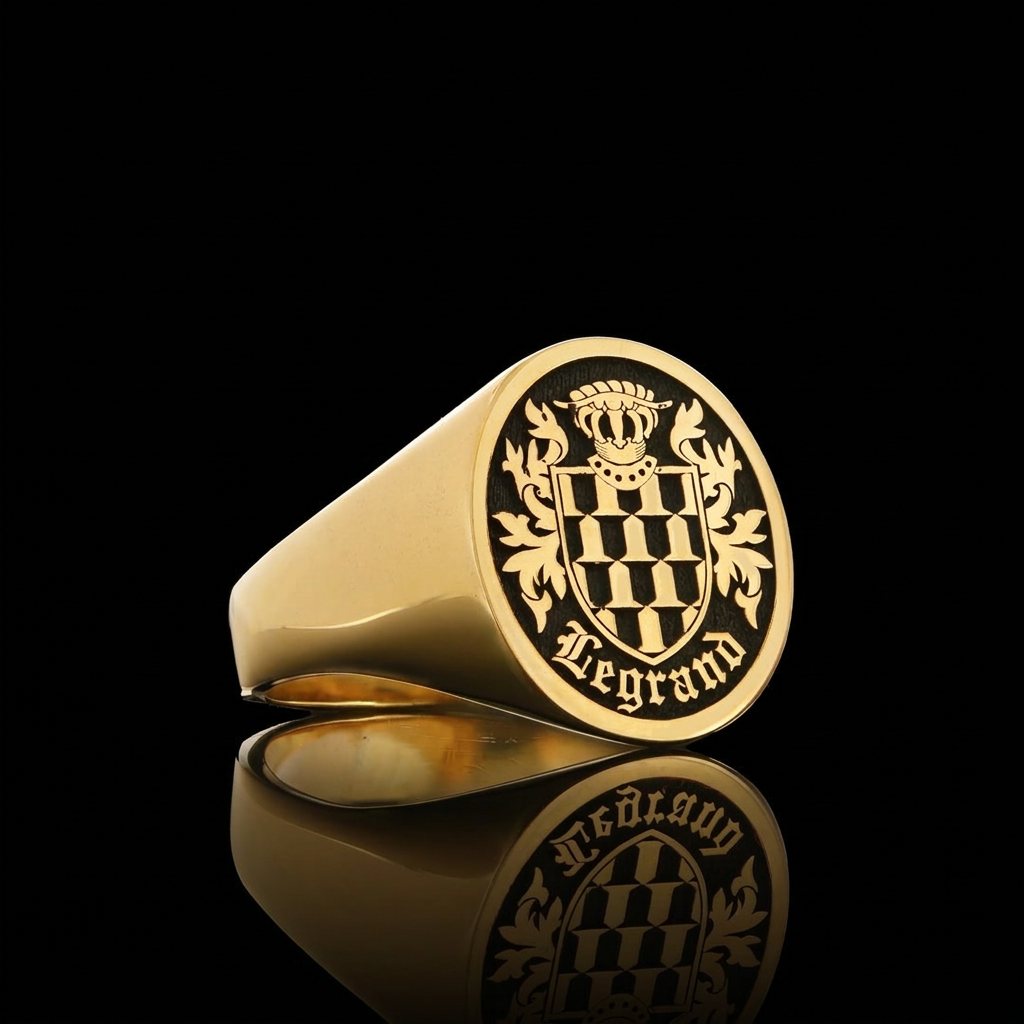
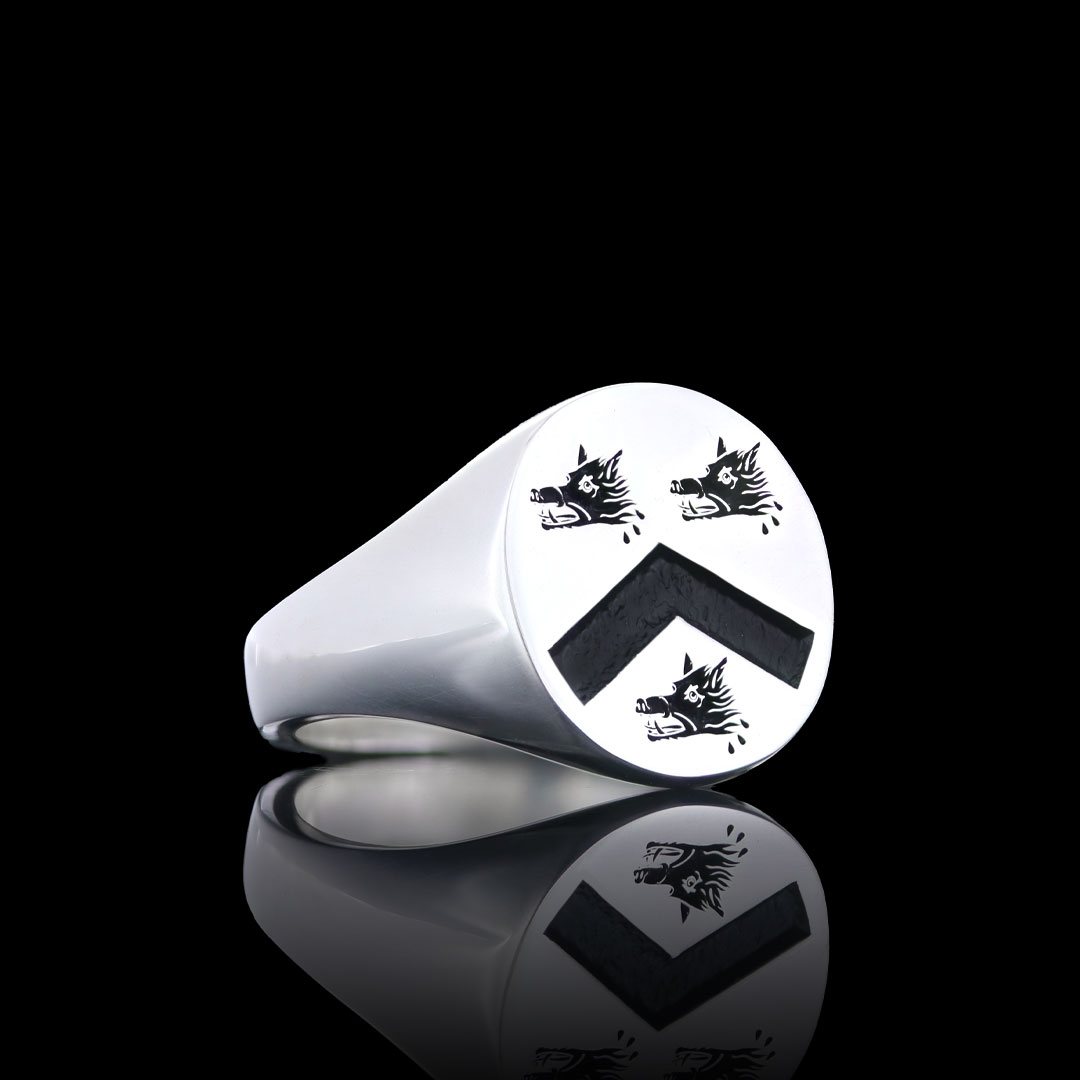
A signet ring has a flat face engraved with a design: initials, a monogram, a family crest or a personal symbol. Traditionally, that design was the wearer's seal. Pressed into warm wax, it left an impression that proved a letter or document was genuinely theirs.
The design can be cut directly into the metal or into a stone set in the face. Gold and silver are the classic metals. Stones such as onyx and agate give a darker surface that makes the engraving stand out.
Most signet rings today are worn as jewellery rather than used to seal letters, but the idea behind them hasn't changed. The engraving is a mark of the person who wears it.
Ancient origins
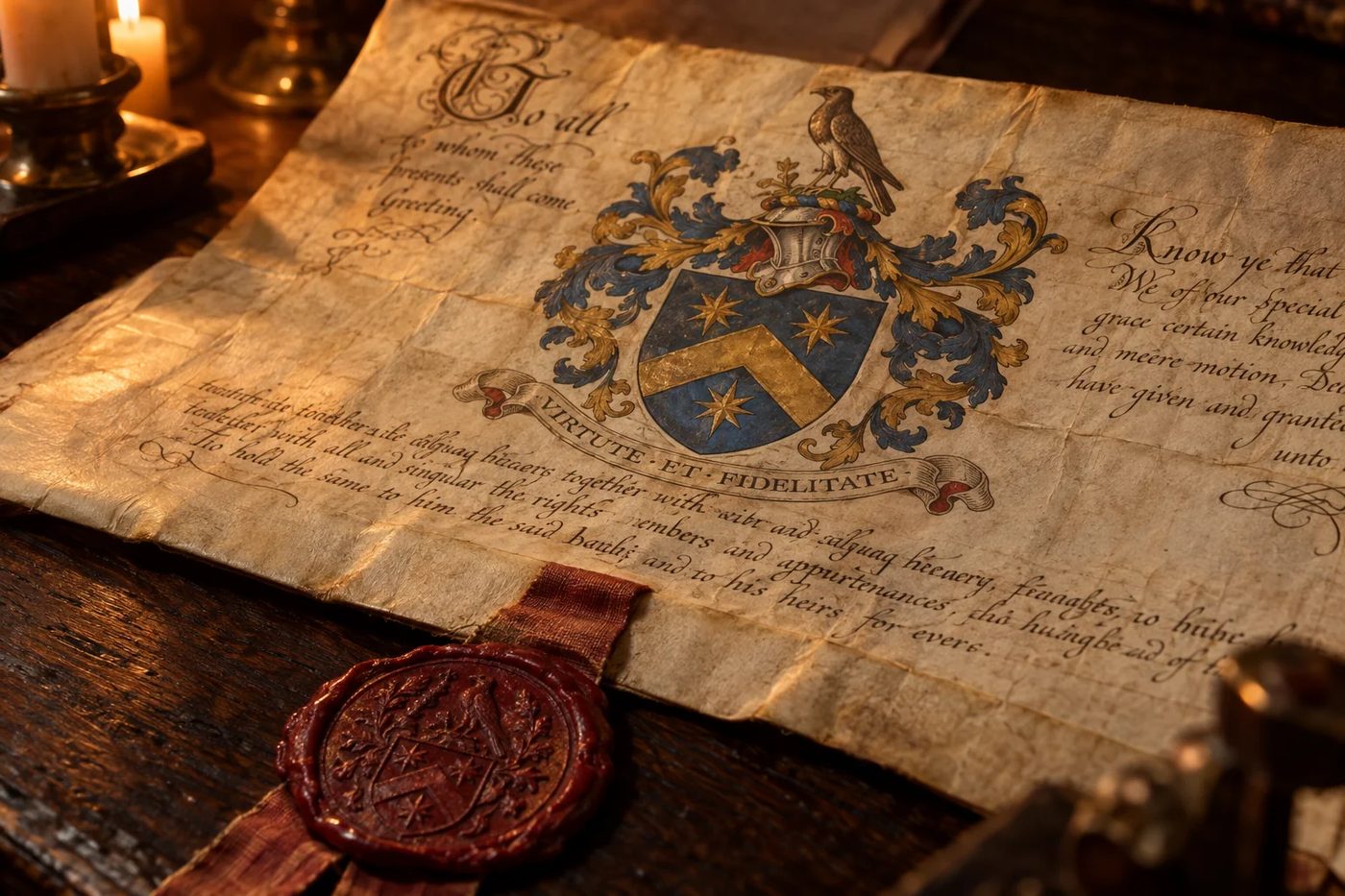
Engraved seals go back to the earliest civilisations. In ancient Egypt, officials and merchants used them to mark ownership and approve documents. Setting the seal into a ring meant it was always to hand, and harder to lose or misuse.
A seal stood in for its owner's authority. Whoever held it could act in their name, which is why seals were guarded closely and sometimes destroyed when their owner died.
Family and authority
In medieval Europe, signet rings became tied to rank, office and family. Kings, nobles, clergy and merchants sealed their correspondence with them. As heraldry developed, the engraving often showed a family's arms or crest, so the seal identified not just a person but the line he belonged to.
Rings like these were handed from father to son. A practical object became an heirloom, and wearing it connected each generation to the one before. That is still why many people choose a signet ring today, and why so many are given to mark an 18th or 21st birthday.
How a signet ring is made
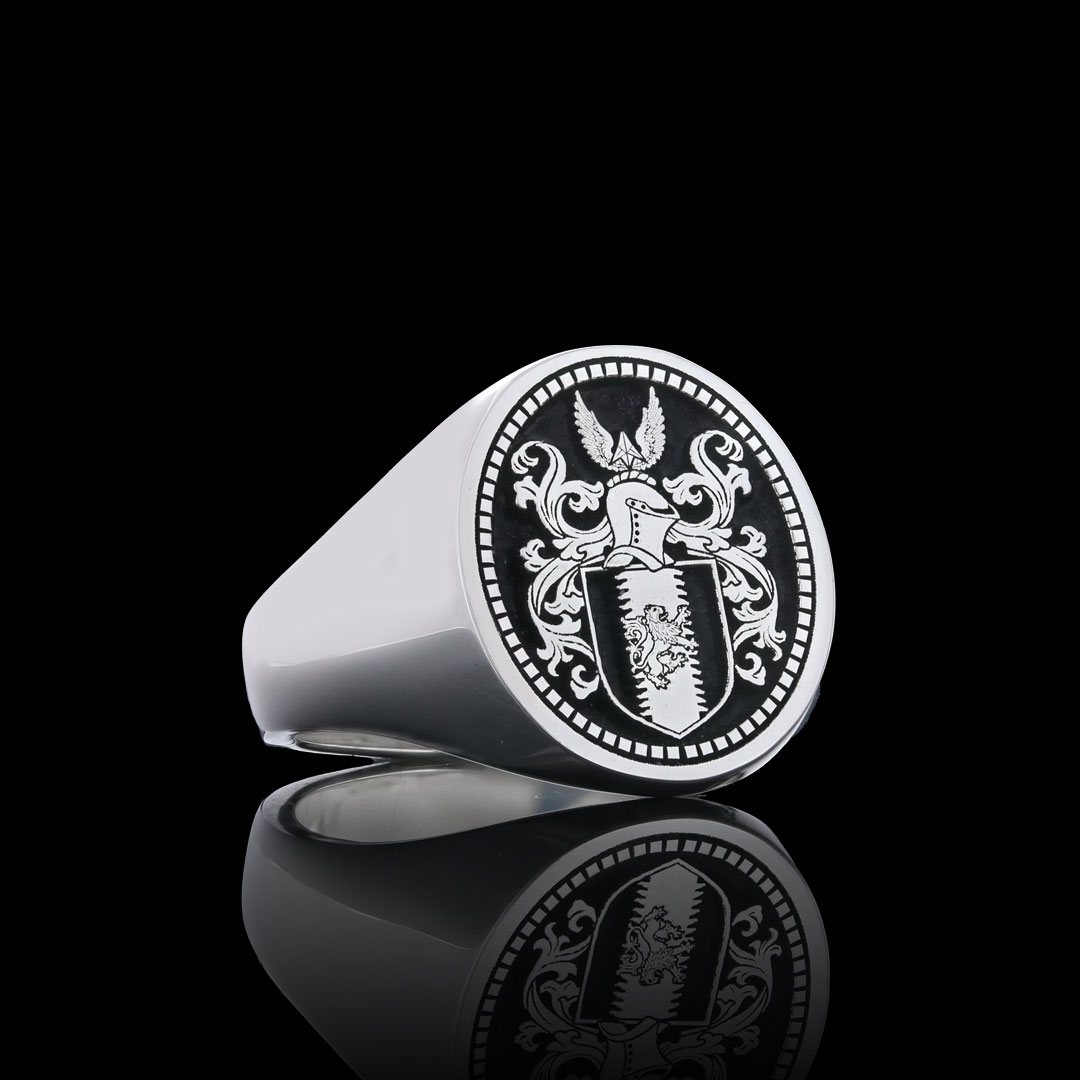
A traditional seal engraving is cut in reverse, so that the impression reads the right way round. A design cut down into the surface, in metal or stone, is called intaglio, and it is the technique used for working seals.
Not every modern signet ring is made to seal wax. If you'll never use yours as a seal, the design can be engraved to read the right way round on the ring itself. Whether to choose a working seal or a decorative engraving is one of the first decisions when designing a ring, and there is no wrong answer.
How to wear a signet ring
In Britain, the traditional place for a signet ring is the little finger of the left hand (or the non-writing hand). It kept the ring clear of the pen when sealing letters, and it is still the most common choice.
Tradition isn't a rule, though. Many men wear a signet ring on the ring finger or on the right hand, and some wear it alongside a wedding band. What matters most is a fit that is secure and comfortable on the finger you choose.
A small, plain face looks understated and suits everyday wear. A larger face or a stone setting makes a bolder statement.
Choosing a signet ring with meaning

Start with what you want the ring to say. Initials or a monogram keep it personal and simple. A family crest connects the wearer to his name and history. A symbol of your own can mark a relationship, a memory or a new chapter.
If you're considering heraldry, it helps to know that a coat of arms traditionally belongs to a particular person and their descendants, not to everyone who shares a surname. If your family has arms of its own, a ring is a fine way to carry them. If not, the heraldry associated with your name, or a design of your own, can be just as meaningful.
Then choose the metal and finish. Yellow gold has a warm, traditional look. Sterling silver and white gold are cooler and more contemporary. A plain metal face puts the focus on the engraving, while a stone adds contrast and character.
An heirloom begins with you
A signet ring doesn't need to be inherited to become an heirloom. Its story can begin with a birthday, a wedding, a gift to a son or simply the decision to wear something that means something.
At Clanmalier, every signet ring is made to order for the man who will wear it. Tell us your family name, share a design you already have, or describe what you'd like the ring to represent. We'll research the heraldry, prepare a design for your approval and handcraft the ring.