
Articles
Plain-English guides to crests, coats of arms and signet rings, drawn from the heraldic traditions of England, Scotland, Ireland and Wales.
-
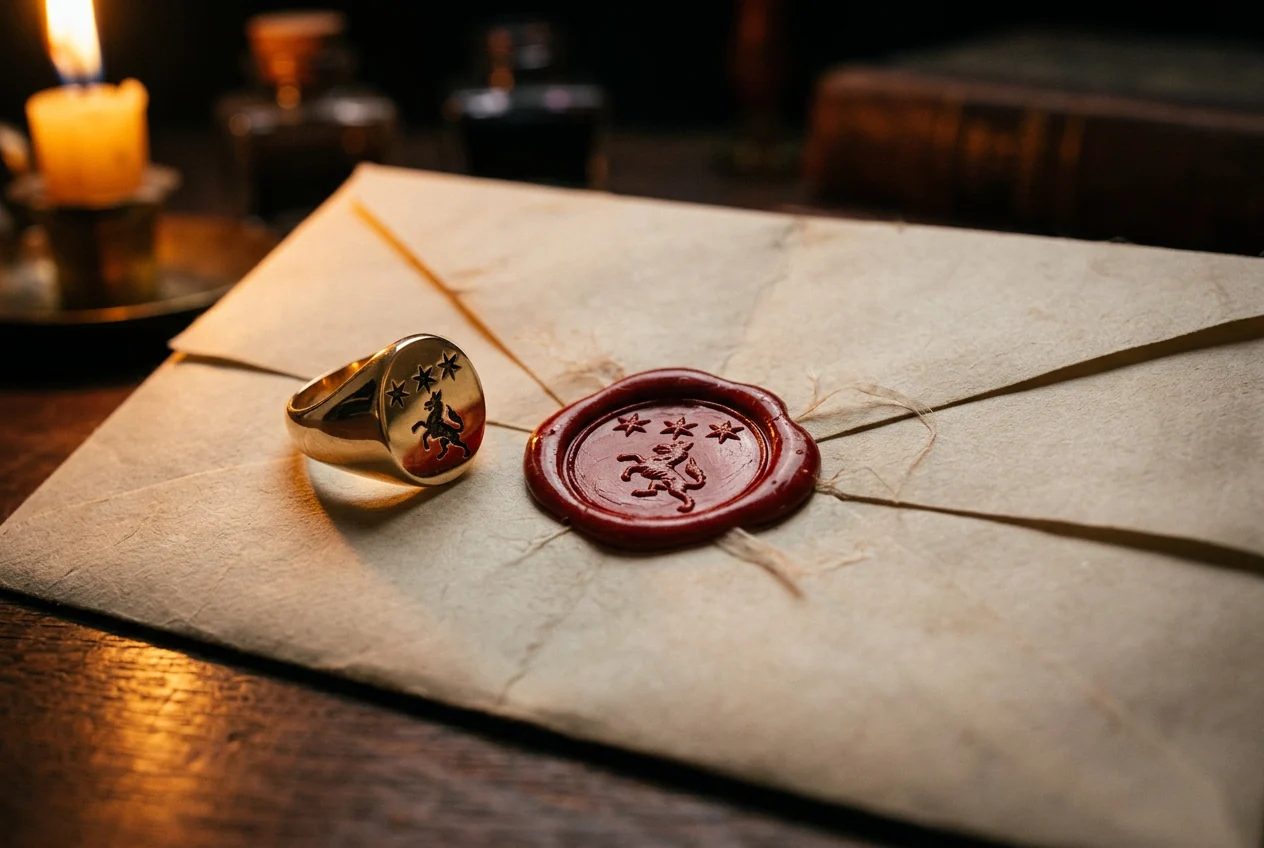
Signet rings: their history, meaning and how to wear one
From ancient seals to family heirlooms, the story of the signet ring and how to choose one today.
Read the article → -
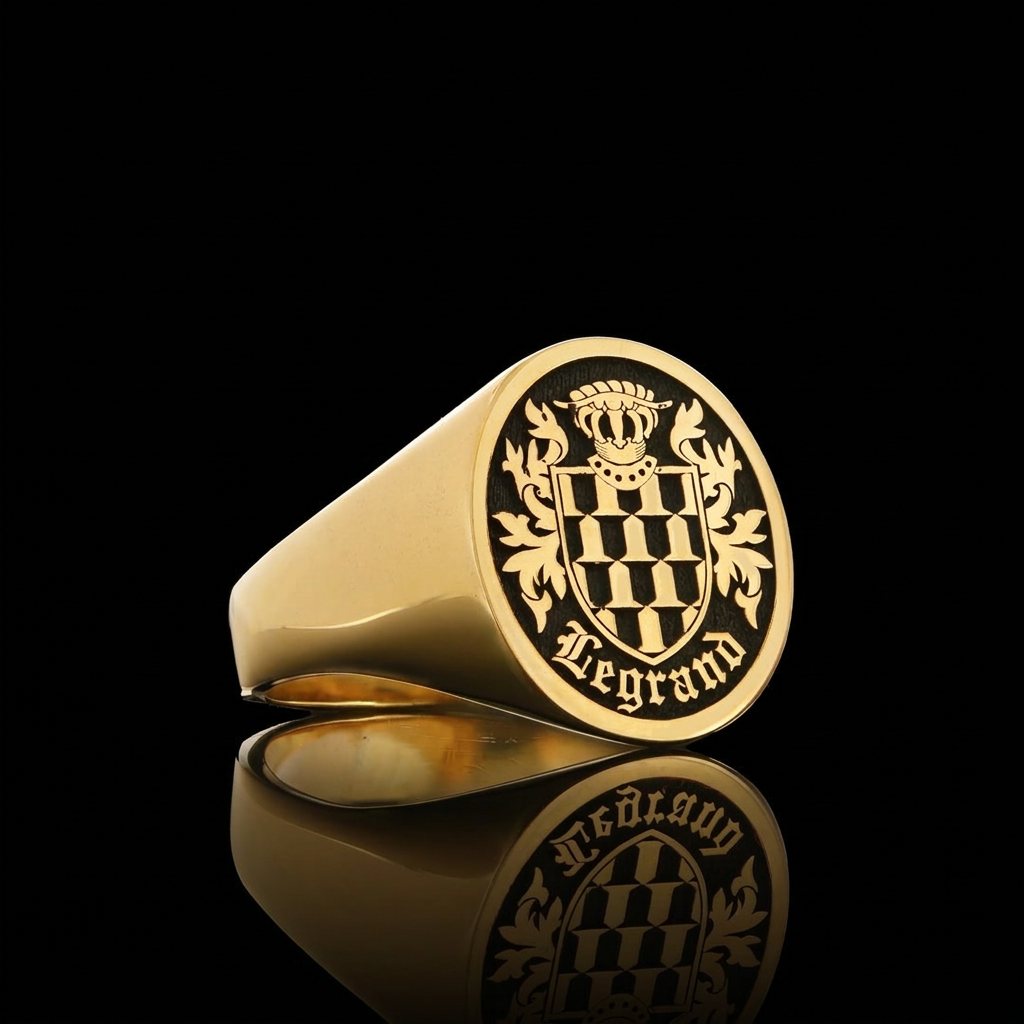
What is a crest? Crests and coats of arms explained
What a crest really is, how it differs from a coat of arms, and what that means if you’d like one engraved on a ring.
Read the article → -
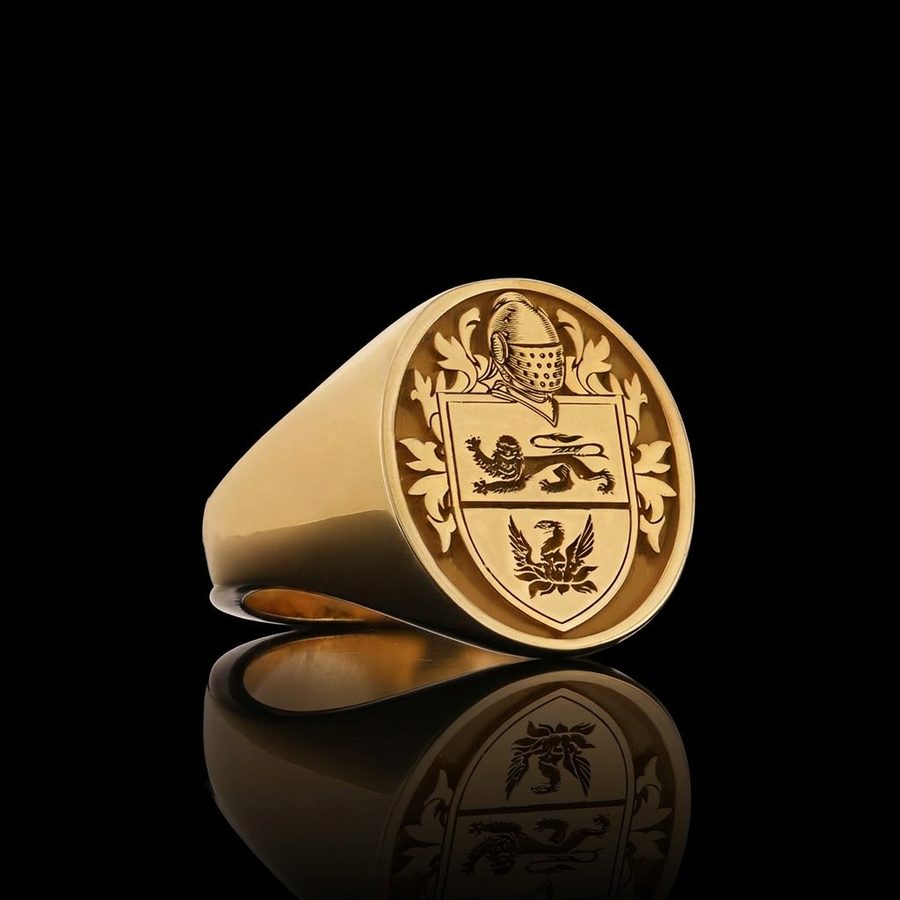
Does your family have a coat of arms? How surnames connect to arms
Why a surname alone doesn’t give you a coat of arms, how arms pass down a family, and how to find the arms recorded for your name.
Read the article → -
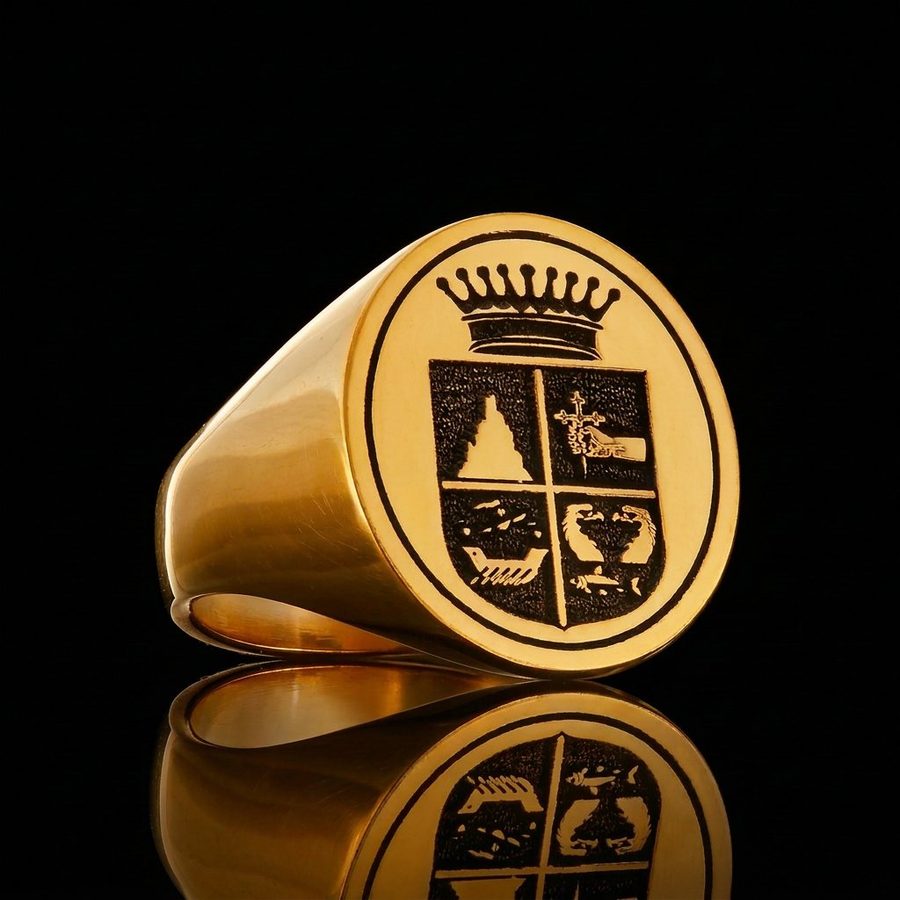
Scottish clan crests and badges: a guide to wearing your clan’s crest
How the clan crest badge works, what the strap and buckle means, and why Scottish heraldry is still governed by law.
Read the article → -
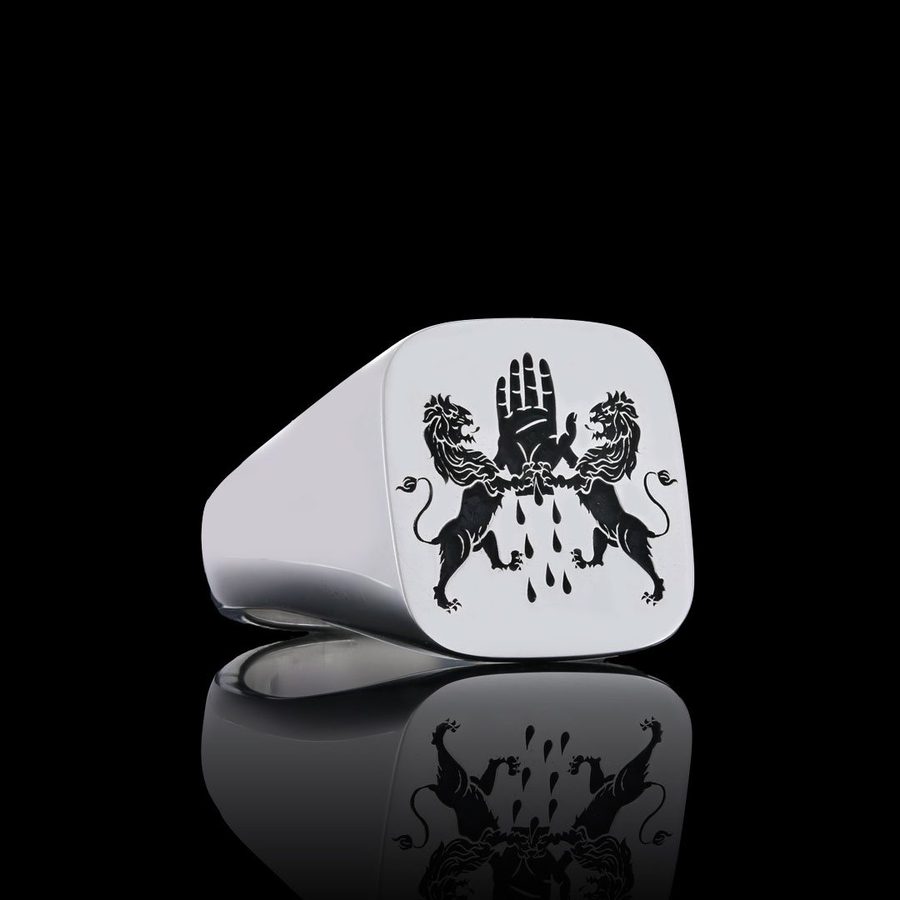
Irish coats of arms: a guide to Gaelic and Norman heraldry
How Irish heraldry grew from Gaelic clans and Norman settlers, what its symbols mean, and how to research an Irish name.
Read the article → -
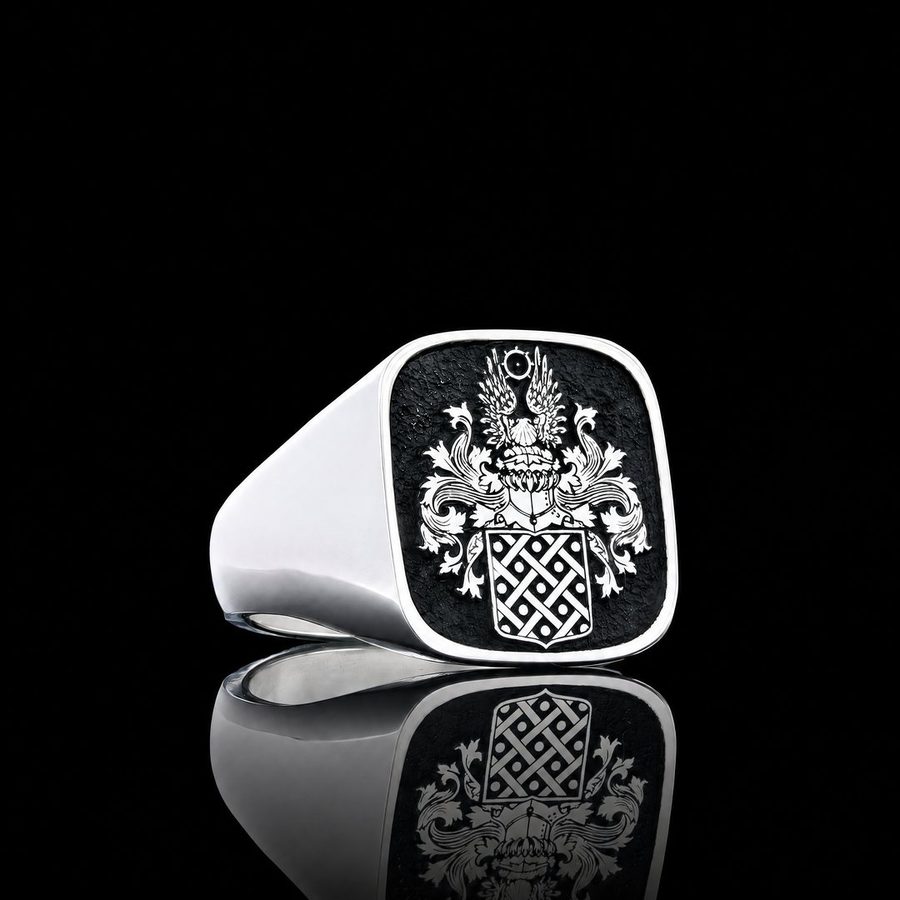
The colours of heraldry: metals, colours and furs explained
Or, argent, gules and azure: the colours of heraldry, the rule that governs them, and how arms are shown without colour.
Read the article → -
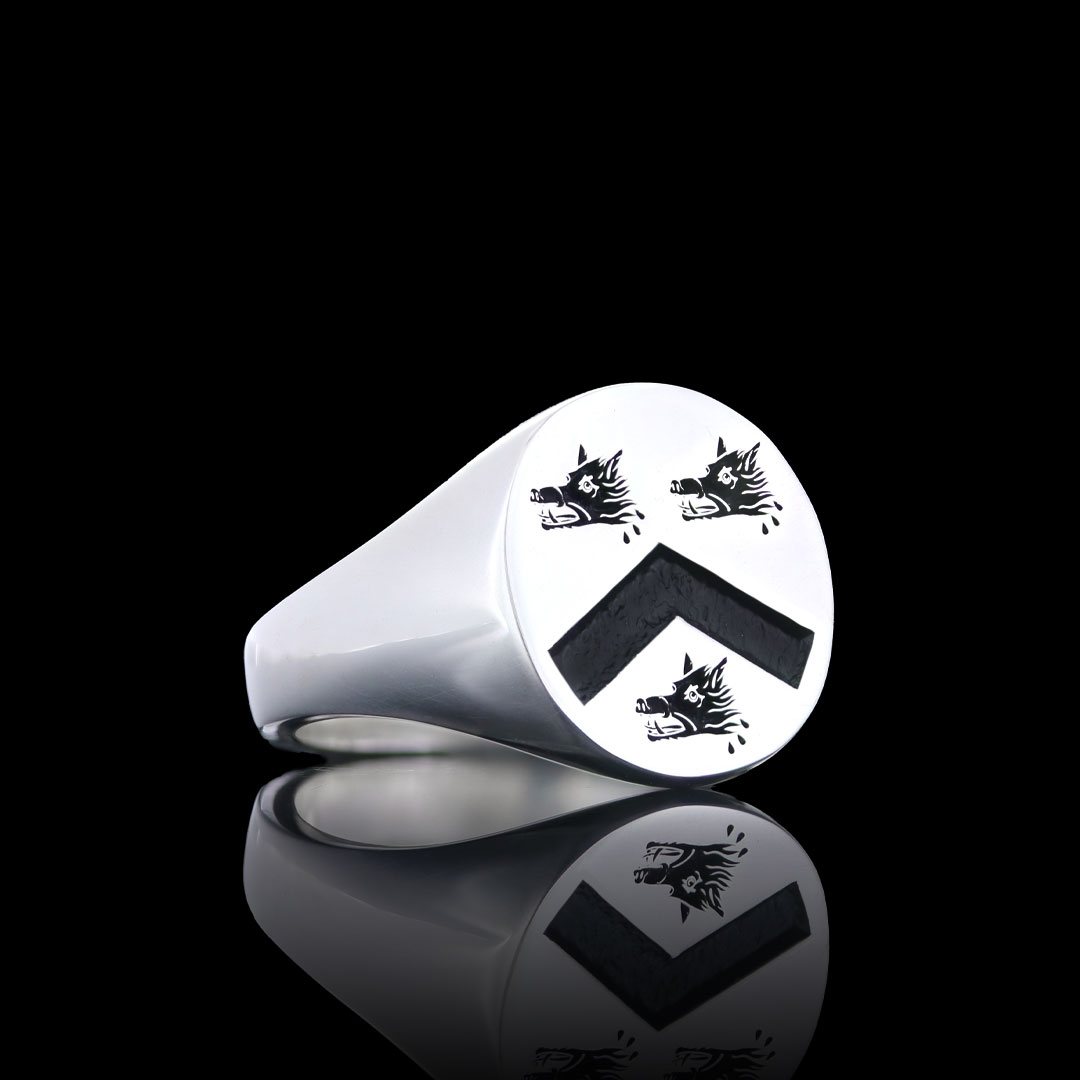
How to read a blazon: a beginner’s guide to the language of heraldry
Dexter and sinister, chevrons and bends, rampant and passant: how to read the written description of a coat of arms.
Read the article → -
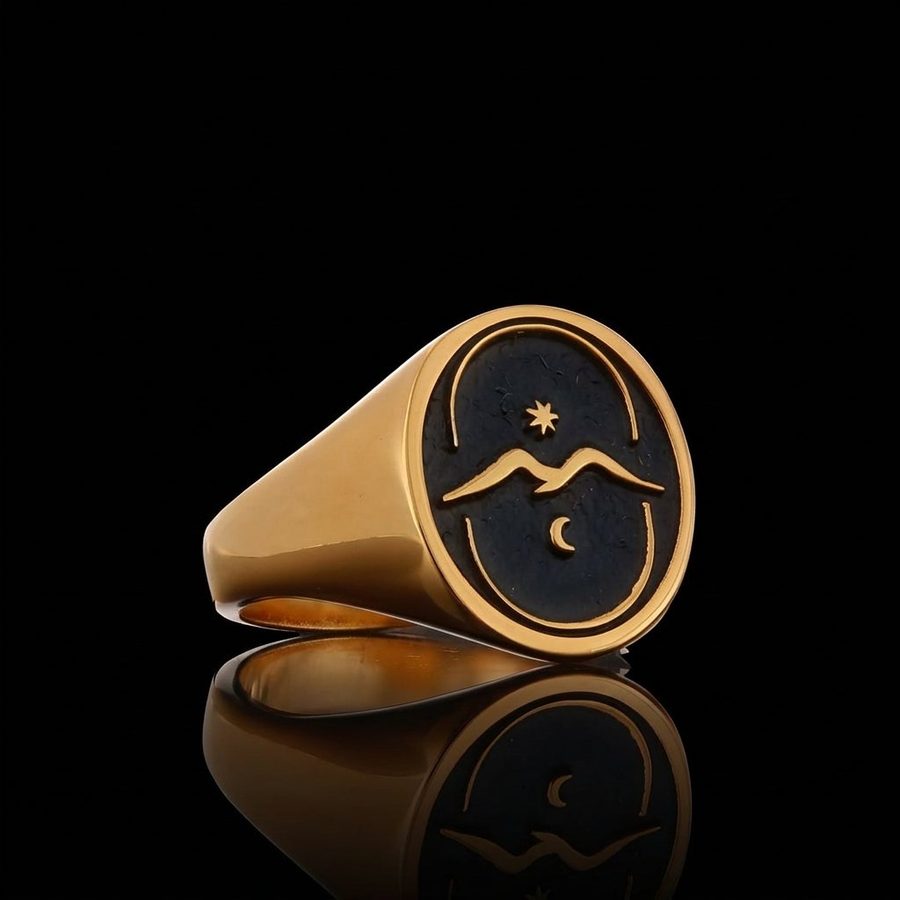
The most common symbols in heraldry and what they mean
Lions, stags, dragons, roses, crosses and stars: the symbols you'll meet most often in heraldry, and what they traditionally mean.
Read the article →